VR-Dreamer

Digital technologies that help manage the challenges of real life.

We develop and deploy digital applications to help manage health-related, psychological and social challenges of everyday life.

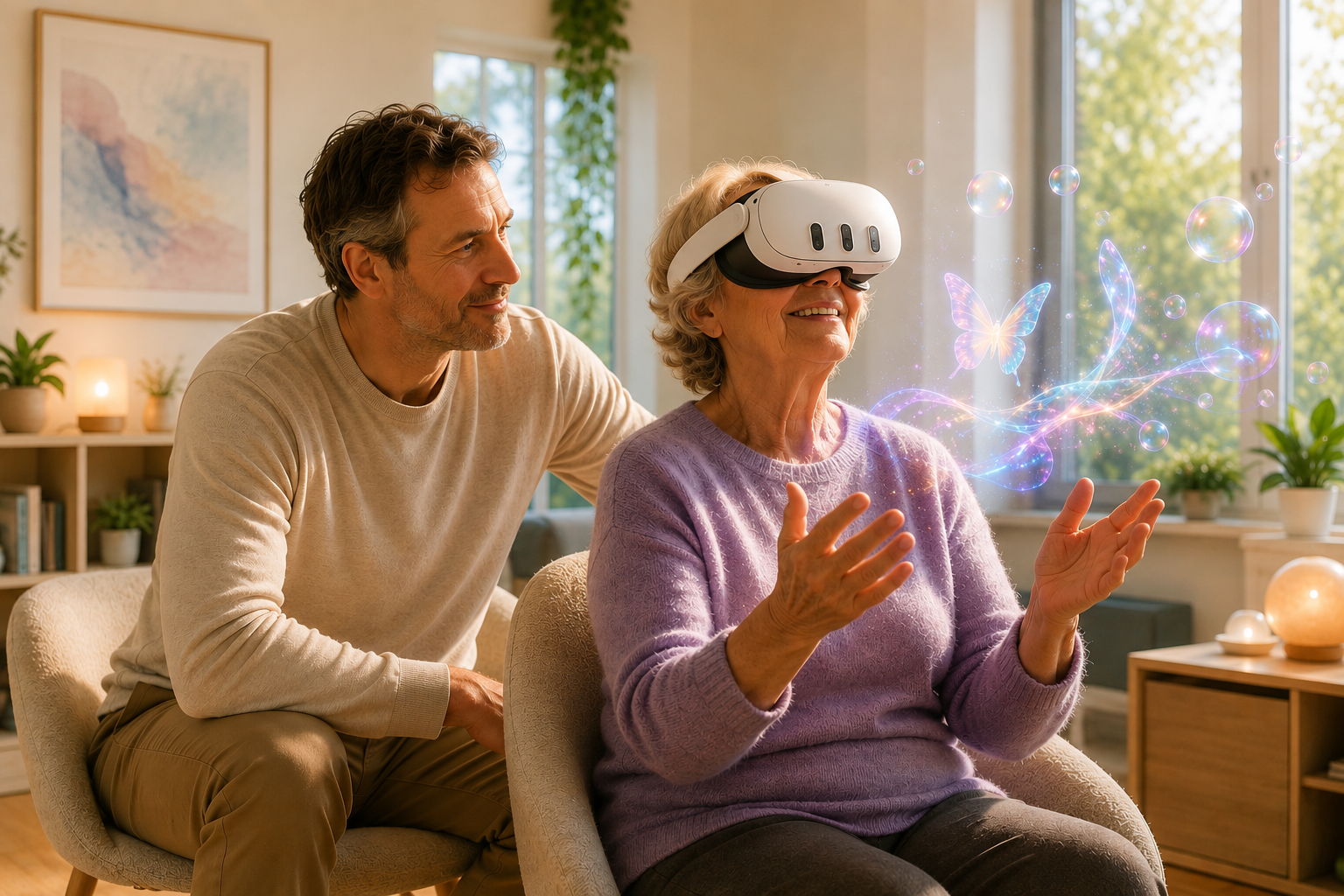
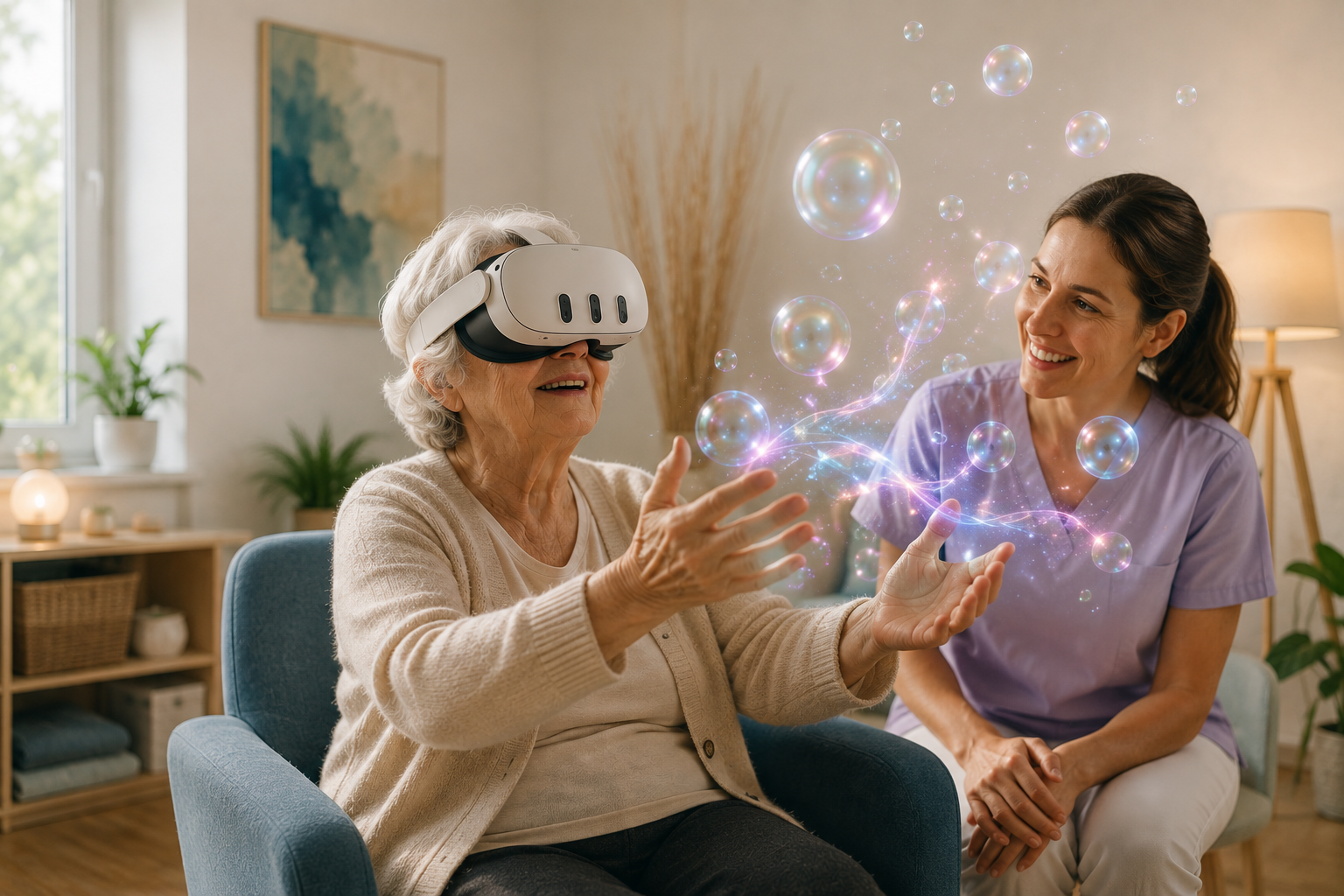
An older woman wearing a VR headset smiles and reaches toward floating light elements while a companion sits beside her.

Our Story

How VR-Dreamer came to be

VR-Dreamer did not begin as a technology project. The first impulse was the wish to open up new experiences for my mother, at a time when travelling or discovering new places was no longer possible for her. Later I began working in social-care institutions in Switzerland. It became clear that virtual reality does not only need to transport a person into another world – it can add new possibilities, new interactions and new forms of experience to their own, real world. It is from exactly these everyday observations that VR-Dreamer emerged – with the goal of developing digital solutions that help manage the health-related, psychological and social challenges of everyday life.

More about our story →

Observations from Practice

Four recurring themes

Discovery and new experiences

Virtual reality can open up environments and experiences to a person that would otherwise be inaccessible due to their health condition or life situation. It is not just about viewing images, but about the feeling of presence and the possibility to actively explore a new space. New environments, virtual travel or unexpected perspectives can spark curiosity and, for a moment, expand the boundaries of familiar everyday life.
Emotional regulation and calming

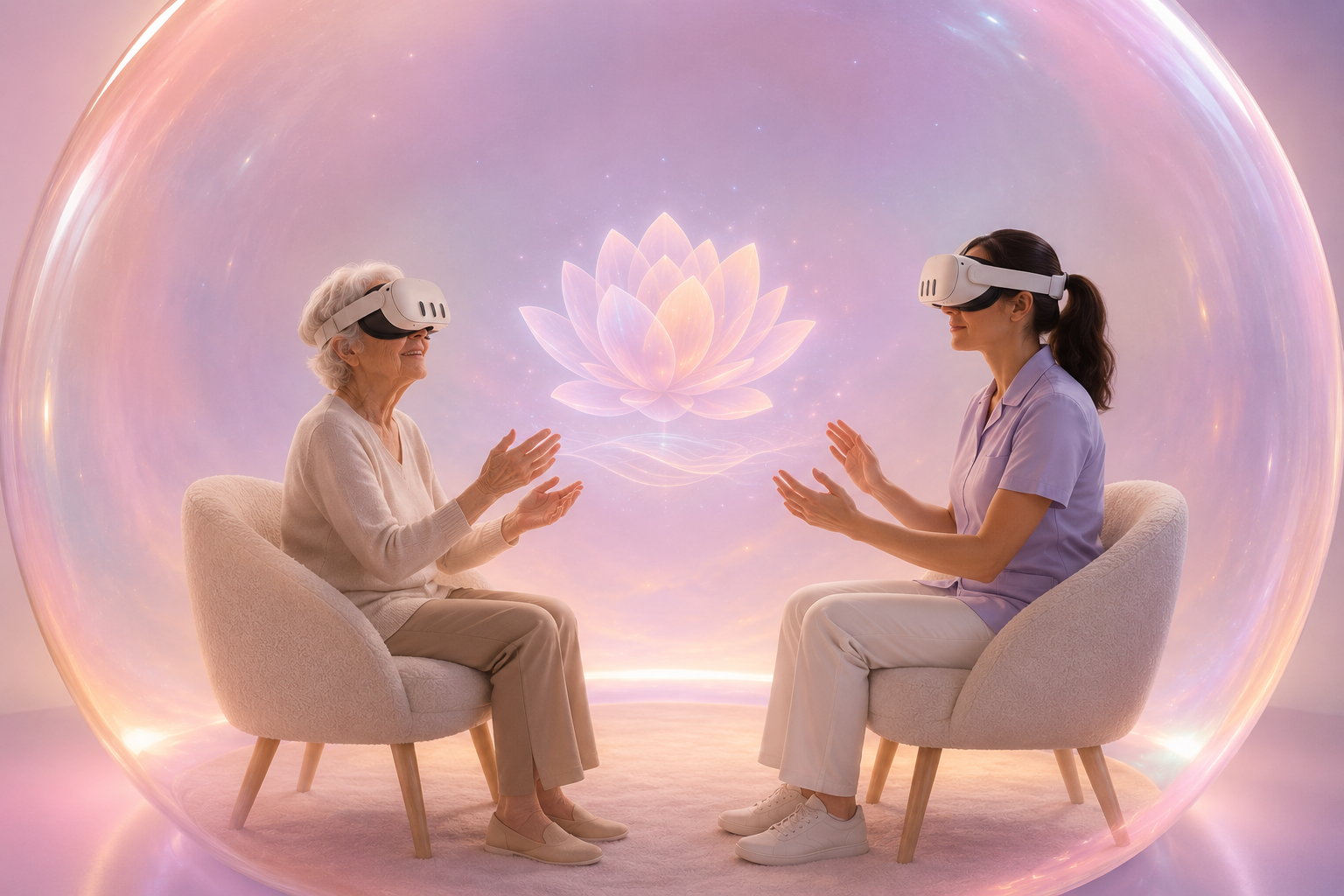
Immersion in a carefully chosen visual and acoustic environment can reduce the amount of disruptive stimuli and promote calm. Reactions are individual: for some the slow movement of dolphins is calming, for others the regularity of rain, waves or music.

Activation and engagement

Expressive or emotionally meaningful virtual content can foster interest, smiling, communication, rhythmic movement or active participation – even in people who tend to be passive in their familiar environment.

Movement as the result of meaningful activity

When movement produces a visible and interesting result, a person doesn't have to perceive it as exercise. Soap bubbles, butterflies, spatial painting or an interactive game can motivate repeated movement, because the activity itself brings joy, curiosity or a sense of creating something.

Applications

Dreamer Bubbles

Dreamer Bubbles

Therapeutic movement, creativity and interaction.

View project →
Pastel Ball

Pastel Ball

A guided platform for emotional regulation for people living with dementia – with a low-stimulus virtual environment and carefully chosen visual and acoustic elements.

View project →
Dreamer Physio

Dreamer Physio

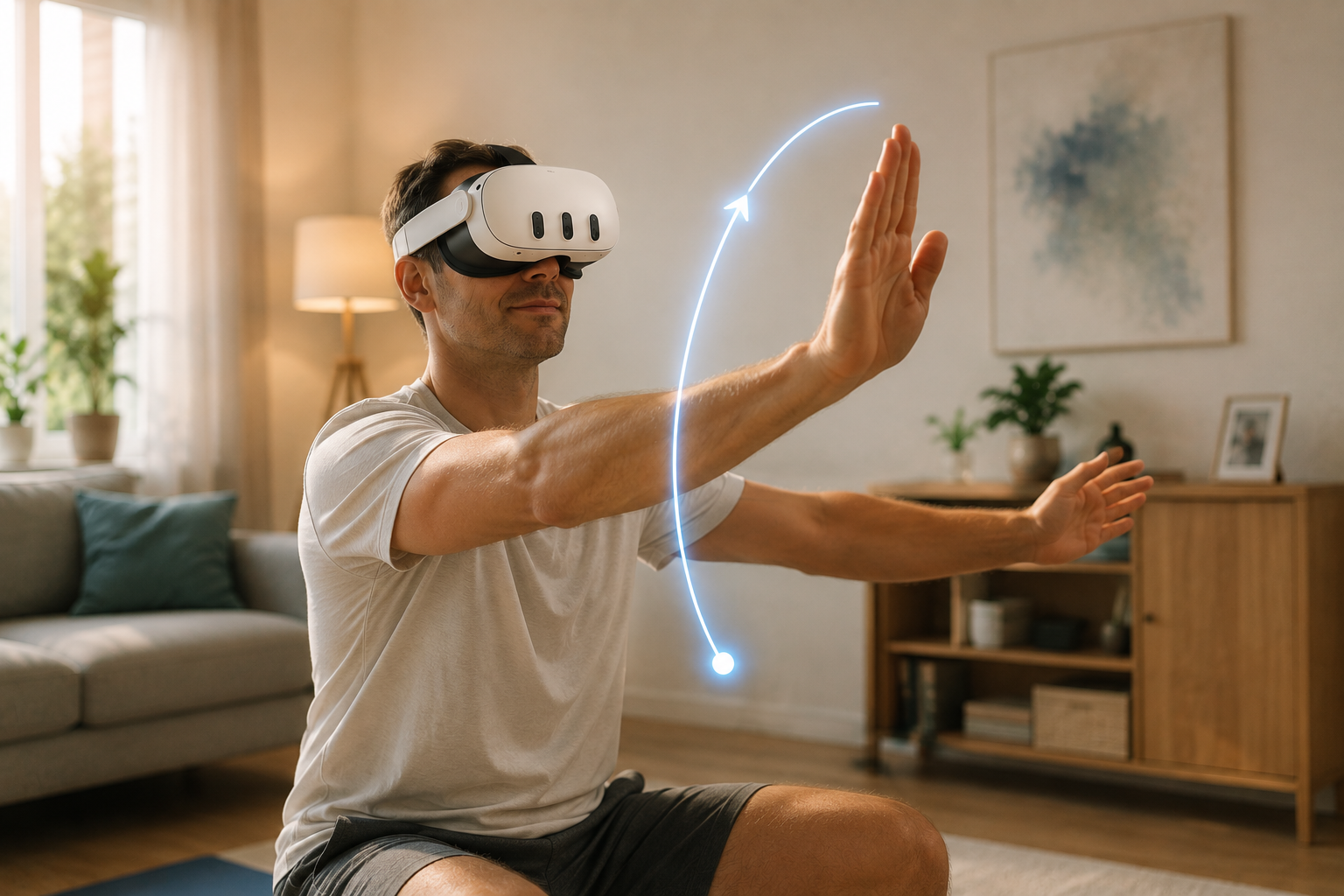
A supportive tool for physiotherapists that helps patients exercise correctly and stay motivated – in therapy and at home.

View project →
Dreamer Sense

Dreamer Sense

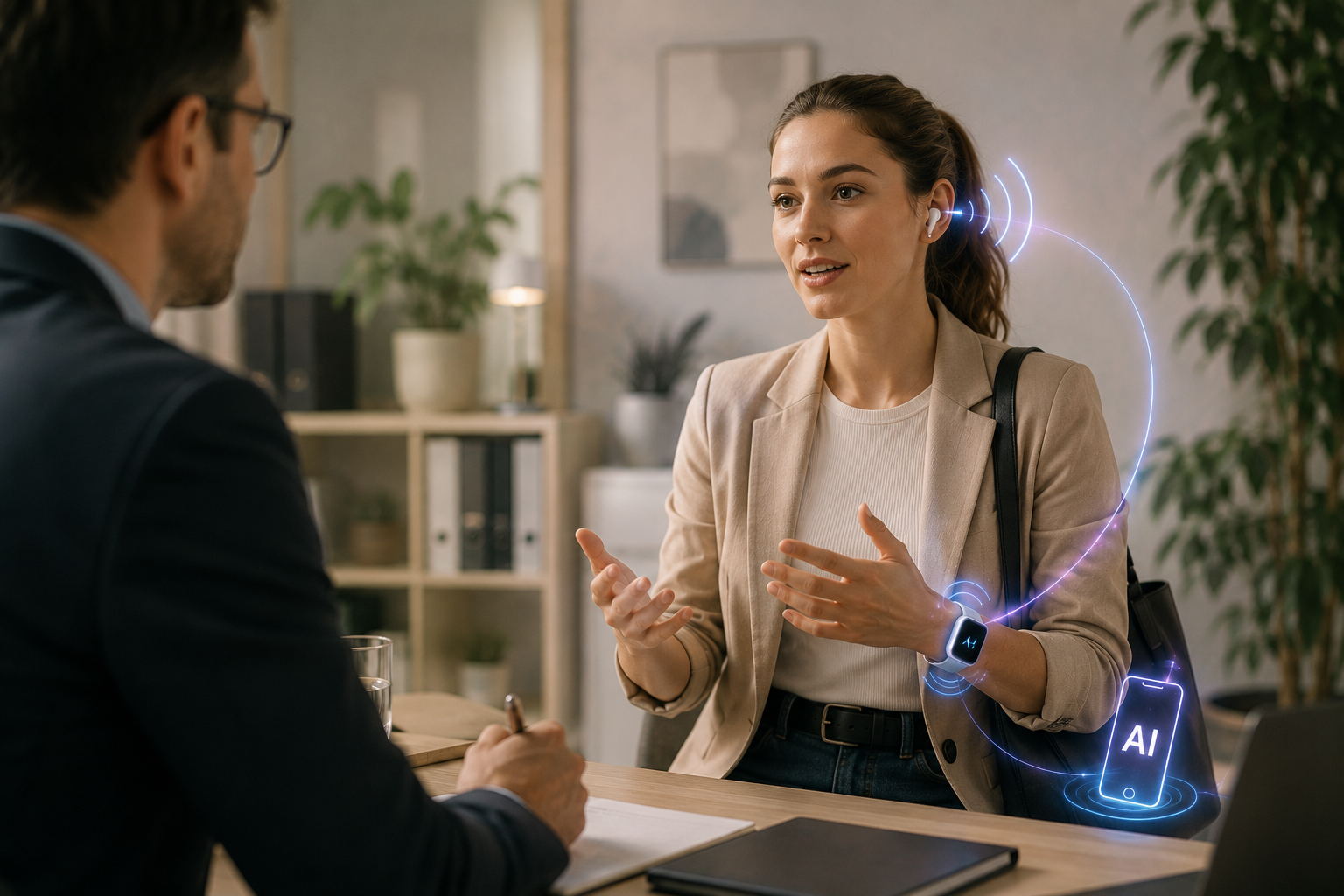
An everyday assistive concept for people on the autism spectrum, intended to make emotional nuances in conversation more accessible through discreet signals.

View project →
Request a demonstration